Touring a Commercial Chocolate Kitchen
For most of us, chocolate is something procured from a beautiful wrapper or a bakery display case. The process of arriving at that glossy, snappy, perfectly formed truffle is shrouded in mystery. At Fresh 2 Plate, we are obsessed with pulling back the curtain on the culinary arts. Today, we are taking you far beyond your home kitchen and stepping into a commercial, artisanal chocolate facility. Producing a Heavenly Delicacy on a massive scale requires a breathtaking fusion of heavy industrial machinery and microscopic temperature precision. While you might whip up quick recipes involving chocolate chips after dinner or incorporate cocoa into your healthy meals via a protein shake, the master chocolatier operates on an entirely different plane utilizing massive vats of seasonal ingredients. Let’s embark on a step-by-step tour, from the harsh grinding of raw nibs to the delicate, hand-painted finish of a luxury bonbon.
1. The Roasting and Grinding Room: The Heart of the Beast
The tour begins in a room dominated by noise and intense aromas. This is where the raw cacao completely transforms.
- The Roaster: Massive, rotating drum roasters (similar to coffee roasters) heat the raw cacao beans. The chocolatier must precisely control the temperature profile to develop the deep, complex flavors of the bean without burning them. This phase relies heavily on the Maillard reaction.
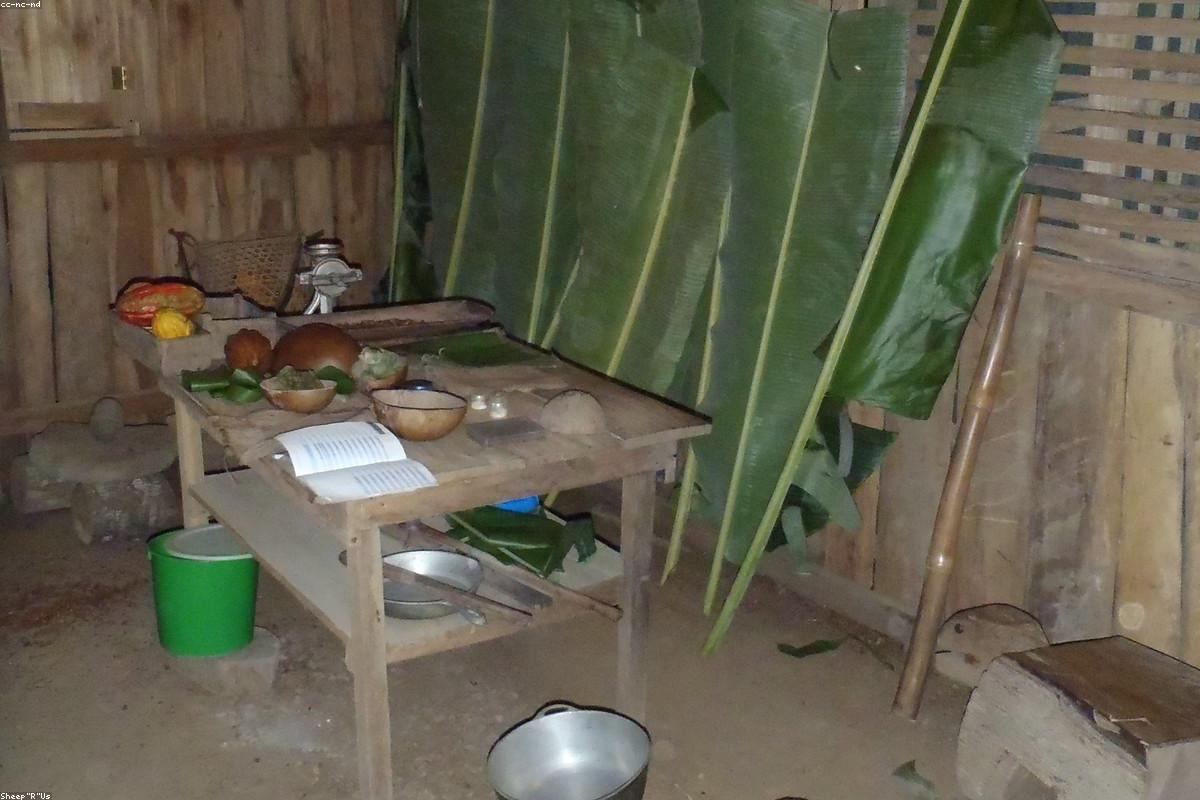
- The Melangeur (Grinder): The roasted beans are cracked and the husks removed (winnowing). The resulting “nibs” are poured into heavy stone grinders called melangeurs. Giant granite rollers crush the nibs for 48 to 72 continuous hours. The friction generates heat, melting the natural cocoa butter and transforming the dry nibs into a thick, fluid “chocolate liquor.”
Nutritional Note: At this stage, the chocolate liquor has no added sugars and is intensely bitter. It is packed with raw antioxidants, showcasing why dark chocolate can be a highly beneficial component of your healthy meals.
2. The Refining and Conching Process
Straight from the grinder, the chocolate is incredibly gritty and acidic. It requires the most vital, yet least understood, step in commercial chocolate making: Conching.
- The Conche Machine: The chocolate liquor is transferred to a conche—a heavy machine equipped with aggressive scraping blades. Sugar, additional cocoa butter, and occasionally milk powder are added during this phase.
- The Action: The conche constantly kneads and agitates the liquid chocolate under controlled heat. This friction smooths the sugar particles to a microscopic level (preventing a gritty texture) and evaporates the harsh, volatile acids naturally present in the cacao.
- The Result: After up to three days in the conche, the chocolate finally develops the luscious, velvety mouthfeel associated with a premium gourmet dessert.
Troubleshooting: If a craft chocolate tastes intensely chalky or overwhelmingly acidic, it is highly likely the manufacturer rushed the lengthy, expensive conching process.
3. The Tempering and Enrobing Station
Finally, we enter the cool, climate-controlled room where the chocolate is stabilized and molded.
- The Tempering Machine: Commercial kitchens utilize continuous tempering machines. The liquid chocolate is pumped through a heating and cooling cycle that aligns the cocoa butter crystals into a stable formation. Correctly tempered chocolate possesses a brilliant gloss and a sharp “snap” when broken.
- The Enrobing Line: A conveyor belt carries centers (like caramels utilizing seasonal ingredients, or marzipan blocks) through a waterfall of liquid, tempered chocolate. A blower removes the excess, and the belt carries the freshly coated bonbons into a cooling tunnel.
Variations: For hollow figures (like Easter bunnies), the tempered chocolate is piped into polycarbonate molds. The molds are attached to a massive spinning centrifuge that coats the inside walls evenly as the chocolate cools and hardens.
More Internal Inspiration on Chocolate
Fascinated by the origin of these beans? You must read our article on Sourcing Ingredients Responsibly for Heavenly Taste. Or, if you want to attempt working with premium chocolate at home, dive into Mastering the Perfect Chocolate Ganache.
Conclusion
Touring a commercial chocolate kitchen reveals that producing a Heavenly Delicacy is an extraordinary feat of engineering, patience, and sensory evaluation. The journey from a bitter agricultural seed to a glossy, enrobed truffle demands profound respect for the ingredient. While we advocate for utilizing quick recipes to integrate the resulting chocolate into your Fresh 2 Plate rotation of healthy meals, understanding this intensive backend process elevates the experience. Buy a high-quality artisanal bar this week, let it melt slowly on your tongue, and appreciate the 72 hours of grinding and conching that made it possible. Share your favorite craft chocolate brand with us online!