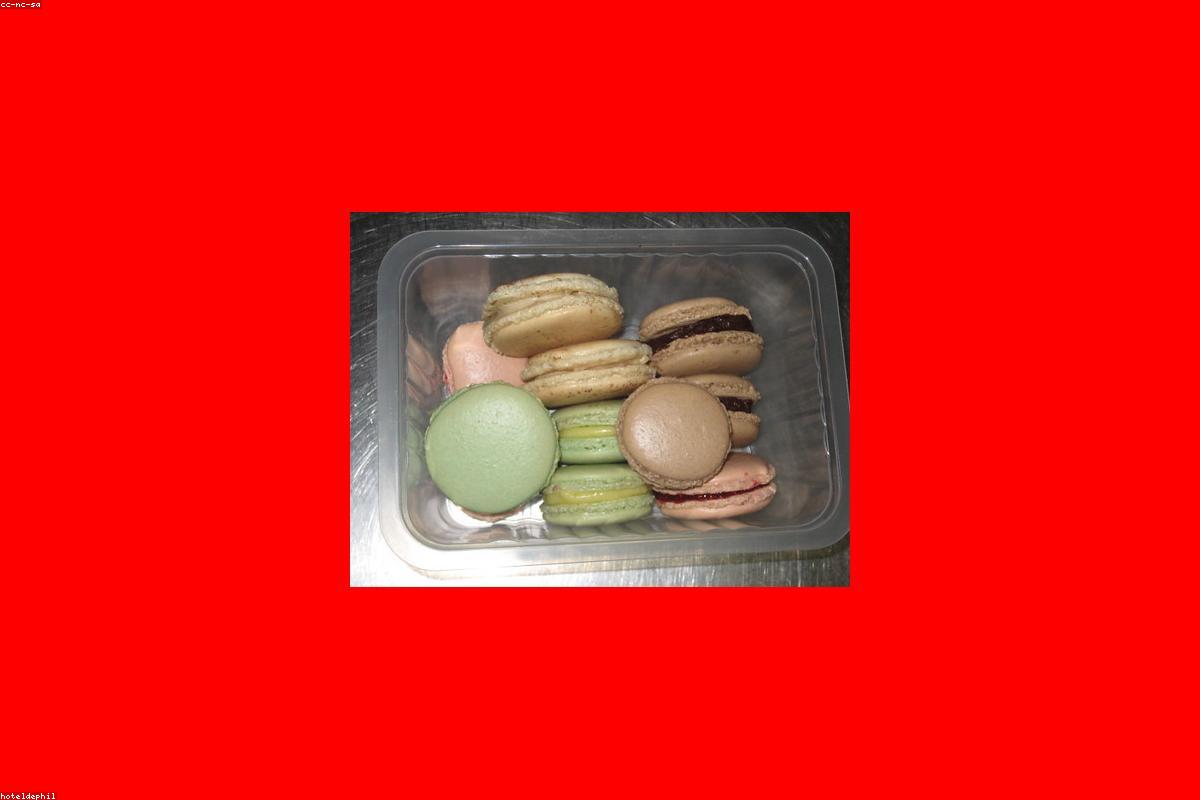
Mastering the Temperamental Macaron: Troubleshooting Guide
In the vast pantheon of pastry, few creations evoke as much reverence—and abject terror—as the French macaron. The vision of a smooth, glossy shell delicately yielding to a chewy center and a vibrant, flavorful filling is the definitive Heavenly Delicacy. Yet, the journey to a flawless tray is frequently paved with cracked tops, oozing “feet,” and hollow interiors. At Fresh 2 Plate, we believe that conquering the macaron is a rite of passage. It is the ultimate test of Pastry Techniques, demanding extreme precision and an understanding of humidity and protein structure. While whipping up a quick muffin might suit your healthy meals routine, the macaron requires patience and technique. Forget everything you know about standard quick recipes; this is a scientific endeavor. Let’s dive step-by-step into the anatomy of the macaron, utilizing precise execution and beautiful seasonal ingredients, and troubleshoot the most common pitfalls that plague home bakers.
1. The Foundation: Meringue and Macronage
The success or failure of a macaron is determined entirely before it ever enters the oven. It is a balancing act of air and oil.
- The Meringue: The two dominant methods are French (uncooked egg whites whipped with granular sugar) and Italian (whipping a boiling sugar syrup into the whites). The Italian method yields a vastly more stable meringue, significantly reducing the chances of hollow shells, making it the preferred method for professionals.
- The Almond Flour: Oil is the enemy of meringue. If your almond flour is incredibly oily or you over-process it in the food processor, the oils will rapidly break down the egg whites, resulting in flat, spreading puddles of batter. Sift your almond flour and powdered sugar together at least twice.
- The Macronage: This is the folding stage. The goal is to deflate some of the air from the meringue so the batter “flows” off the spatula like thick lava, settling without leaving a peak. If under-mixed, the cookies will be lumpy and crack. If over-mixed, they will spread uncontrollably and develop zero “feet” (the ruffled edge at the bottom).
Pro Tip: Stop mixing immediately when the batter forms a continuous “figure 8” off your spatula without breaking. It is always better to slightly under-mix than to over-mix!
Nutritional Note: While undoubtedly a treat, macarons are naturally gluten-free and primarily composed of almonds and egg whites. Enjoyed in moderation, they fit comfortably as a petite, elegant finish to your week of healthy meals.
2. The Dreaded Hollow Shell
You bite into a beautiful macaron, only to discover an enormous air gap between the top crust and the chewy bottom. This is the most common frustration.
- Over-whipped Whites: If you whip your meringue until the peaks are extremely stiff, dry, and clumpy, the protein structure is overly rigid. During baking, the meringue expands but the interior collapses, leaving a massive air pocket. Whip only until strong, glossy peaks form but remain slightly flexible (a “bird’s beak”).
- Oven Temperature: If your oven is too hot, the exterior shell bakes and sets instantly, while the interior remains wet. As the interior eventually bakes, it shrinks away from the hard top shell. Use an external oven thermometer to verify your actual temperature (usually around 300°F/150°C is ideal).
3. Cracked Tops and No Feet
A macaron should have a smooth, unblemished dome supported by a distinct ruffled base (the feet).
- The Resting Phase: After piping the macarons onto your tray, you must aggressively bang the tray flat on the counter several times. This forces trapped air bubbles to the surface (which you pop with a toothpick), preventing them from exploding and cracking the shells in the oven.
- The Skin: Before baking, the piped macarons must rest at room temperature until a distinct, dry “skin” forms on top. You should be able to touch the surface lightly without any batter transferring to your finger. This skin forces the steam to escape out the bottom during baking, pushing the cookie upward and creating the “feet.” If you skip this resting phase, the steam violently cracks the damp top instead.
Troubleshooting: If it is raining or you live in a highly humid environment (a troublesome invisible “seasonal ingredient“), the skin may take two hours to form instead of 30 minutes. Turn a fan on low in the kitchen to gently circulate the air and speed up the drying process.
More Internal Inspiration for Advanced Bakers
Want to understand the science of your Italian meringue? Read our comprehensive piece on Molecular Gastronomy at Home. Looking for a brilliant citrus curd filling for those perfect shells? Check out our article on French Patisserie Classics.
Conclusion
Mastering the French macaron requires shedding the desire for simple quick recipes and embracing the rigorous, scientific methods of a professional pastry chef. By perfecting your macronage, utilizing the Italian meringue method, and respecting the resting phase, you can consistently achieve that coveted Heavenly Delicacy. A successful batch of macarons proves that your kitchen skills are vast and varied, acting as a profound counterpart to the rugged aesthetic of your daily Fresh 2 Plate healthy meals. Do not let cracked shells deter you; weigh your ingredients, watch your oven temperature tightly, and conquer the macaron this weekend. Post your magnificent ruffled feet online and share your victory!