Low-Sugar Alternatives: Baking with Monk Fruit
The pursuit of a genuinely satisfying dessert that does not instantly spike blood glucose levels has historically been a frustrating endeavor. Decades of artificial sweeteners offered horrific metallic aftertastes, chemical concerns, or baked goods that completely failed to rise and caramelize. At Fresh 2 Plate, managing the delicate balance of indulgence and physical wellness is our primary mission. Fortunately, the landscape of Healthy Indulgence has shifted dramatically with the commercial rise of monk fruit sweetener. Derived from a small green melon native to Southeast Asia, monk fruit offers immense, clean sweetness with zero calories and zero glycemic impact. When utilized correctly, it allows a baker to create a profound Heavenly Delicacy that integrates flawlessly into a rigorous routine of healthy meals. However, extracting successful quick recipes requires an understanding of how monk fruit behaves fundamentally differently than traditional sucrose (table sugar). Utilizing fresh seasonal ingredients alongside this powerful alternative, let’s explore the step-by-step science of executing low-sugar baking without sacrificing texture or joy.
1. Understanding the Extract: Purity vs. Blends
The most crucial aspect of baking with monk fruit is understanding exactly what is inside the bag you purchased from the supermarket.
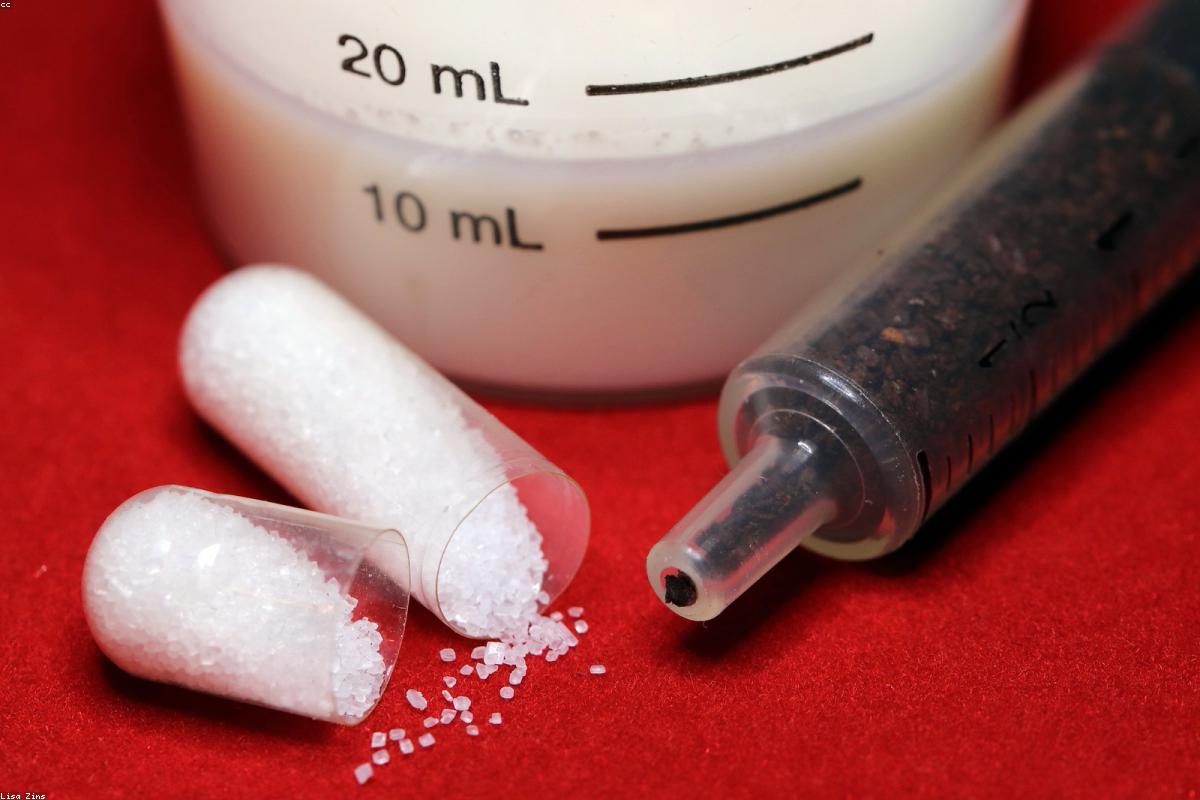
- The Pure Extract: Pure monk fruit extract (mogrosides) is up to 300 times sweeter than regular sugar. It is sold in tiny droppers or microscopic packets. You cannot physically bake a cake with pure extract; replacing one cup of bulky sugar with two drops of highly potent extract eliminates the entire mass and structure of the cake, resulting in a flat pancake.
- The Erythritol Blend (The 1:1 Solution): To simulate the mass and volume of table sugar, commercial manufacturers blend a tiny amount of pure monk fruit extract into a “carrier” alcohol—most commonly erythritol. This powdery blend mimics the bulk and granular texture of sugar precisely and is designed as a direct 1:1 volumetric swap in traditional baking recipes.
Pro Tip: Always read the label. If the brand boasts a “1:1 Sugar Replacement,” you are entirely utilizing an erythritol blend. Use this explicitly when a recipe requires creaming butter and sugar together to trap vital air bubbles for lift.
Nutritional Note: Erythritol is a sugar alcohol that passes through the human body almost entirely unabsorbed, causing absolutely zero impact on insulin levels. It is the definitive “cheat code” for ensuring your desserts serve as a truly healthy meal component for diabetics.
2. The Missing Moisture: Adapting Your Recipes
While the 1:1 monk fruit blends provide the necessary sweetness and granular bulk, they behave entirely differently regarding water retention.
- The Dry Factor: Traditional sugar is incredibly hygroscopic (it forcefully attracts and holds onto moisture from the air). Erythritol blends do not. Consequently, a recipe baked directly with monk fruit blend will dry out and become crumbly twice as fast as its sugar counterpart.
- The Solution: You must artificially introduce additional moisture and fat to compensate. When adapting a recipe from standard sugar to monk fruit, add an extra tablespoon of an oil (like coconut or olive oil), substitute milk for heavy cream, or fold two tablespoons of unsweetened applesauce directly into the batter to guarantee a moist crumb.
Troubleshooting: If your monk fruit cookies are rock hard the next day, store them constantly in an aggressively airtight container with a small wedge of fresh apple inside; the cookies will draw moisture from the apple and remain soft indefinitely.
3. The Caramelization Challenge
Table sugar melts into a thick syrup and undergoes aggressive Maillard browning (caramelization) at 320°F (160°C). Monk fruit erythritol blends decidedly do not.
- The Pale Bake: An erythritol blend will rarely brown deeply, leaving cookies and cakes looking disappointingly pale, even when fully baked inside. Furthermore, it cannot be melted down in a saucepan to create a thick, sticky caramel sauce; it will simply crystallize and turn back into rigid powder when cooled.
- The Textural Fix (The Crunch): Because erythritol crystallizes so rapidly as it cools, it offers a distinct, unique crispness. Sugar cookies baked with monk fruit will be exceptionally, wonderfully crispy and brittle on the edges.
Variations: If you visually desire a golden-brown top on your monk fruit muffins, create an egg wash utilizing two egg yolks intensely beaten with a splash of milk. Brushing this heavily over the batter before baking provides artificial browning via protein coagulation, entirely bypassing the need for sugar caramelization.
More Internal Inspiration on Healthy Sweets
Are you looking to avoid sugar entirely and utilize fresh fruits? Read our comprehensive piece on Healthy Indulgence: Low-Calorie Desserts. Or, if you want a brilliant, high-protein recipe to test your new monk fruit blend, explore Healthy Smoothies that Taste Just Like Dessert.
Conclusion
Embracing a lifestyle of robust, zero-sugar alternatives no longer signifies a lifetime of disappointment or bizarre chemical aftertastes. By understanding that monk fruit blends lack traditional hygroscopic (moisture-grabbing) properties, and aggressively compensating with applesauce or oils, a home baker can orchestrate a flawlessly textured Heavenly Delicacy. It firmly establishes Fresh 2 Plate as a space where uncompromising healthy meals extend gracefully into the final course. Utilize these intelligent, modified quick recipes combining vibrant seasonal ingredients, substitute that 1:1 blend into your favorite weekend muffin, and revel in an indulgence that absolutely honors your health goals. Share your smartest sugar swaps with us below!