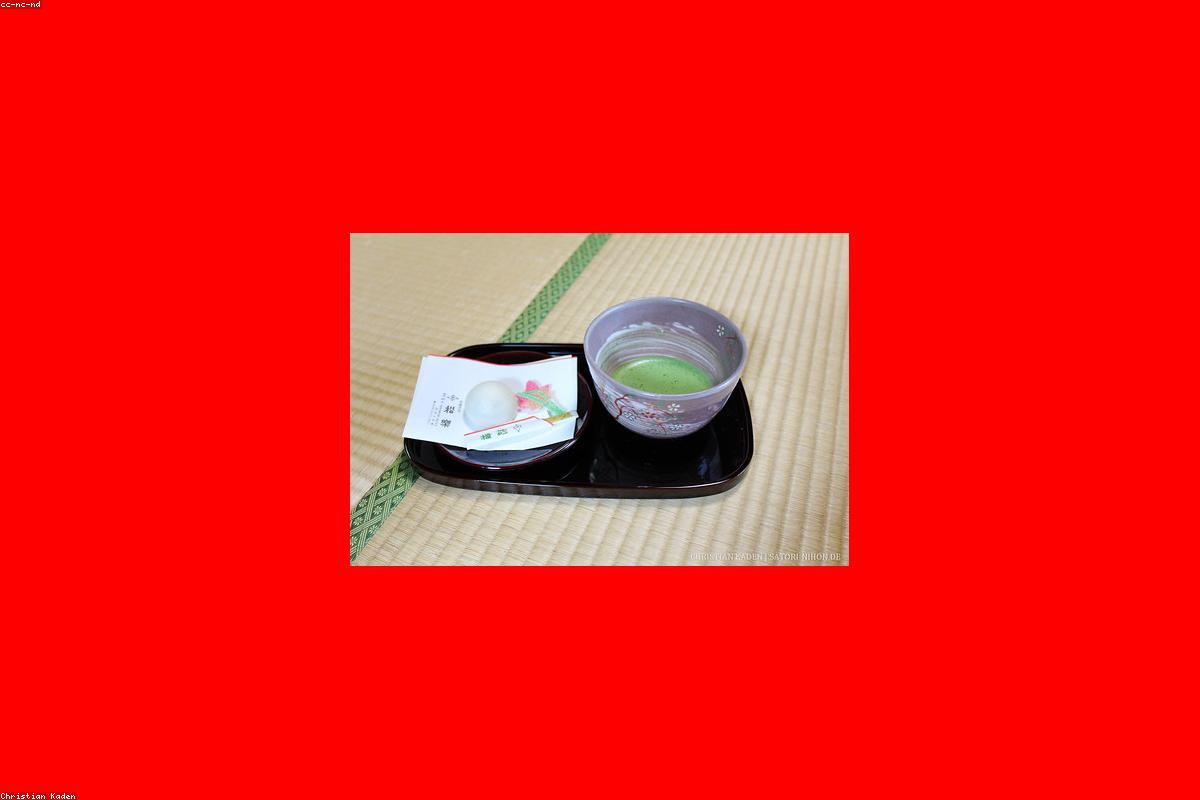
A Guide to Artisanal Japanese Wagashi
While the Western pastry tradition frequently relies on massive volumes of butter, heavy cream, and refined sugar to communicate luxury, the Japanese approach to sweets operates on a profoundly different philosophy. At Fresh 2 Plate, we are deeply inspired by Wagashi—traditional Japanese confections designed specifically to be served alongside bitter green matcha tea. These intricate jewels are not merely a Heavenly Delicacy; they are edible poetry, crafted to reflect the transience of nature and the shifting of the seasons. Moving beyond the standard, heavy quick recipes of Europe, developing an appreciation for Global Flavors like Wagashi broadens our culinary horizons immensely. Utilizing simple, plant-based seasonal ingredients such as sweet bean paste, rice flour, and agar-agar, these treats manage to be extraordinarily complex visually while remaining incredibly light on the stomach. They represent a harmonious, sophisticated conclusion to a series of mindful, healthy meals. Let’s meticulously unpack the foundational elements and the deep cultural significance of artisanal Wagashi.
1. The Visual Language: Reflecting the Seasons
In Japanese culinary tradition, it is considered poor form to present a dessert that does not acknowledge the current environment. Wagashi is overwhelmingly visual.
- Spring: The famous “Sakura Mochi” dominates spring. A delicate pink rice cake filled with red bean paste, uniquely wrapped in a pickled cherry blossom leaf, representing the fleeting beauty of the blooming trees.
- Wait, Water, and Ice: Summer Wagashi frequently utilizes translucent kanten (agar-agar jelly) to mimic the appearance of cool, refreshing water or ice, often encasing a single, suspended goldfish intricately carved from bean paste (Namagashi).
- Autumn: Utilizing the warm, earthy tones of roasted chestnuts, persimmons, and sweet potatoes, autumnal sweets often take the physical shape of a vibrant, fallen maple leaf (Momiji).
Pro Tip: When presenting Wagashi or any dessert to guests, matching the color palette of the food to the physical season—even subtly—vastly improves the psychological anticipation and enjoyment of the dish.
Nutritional Note: Wagashi is fundamentally vegan, relying entirely on legumes, grains, fruits, and seaweeds. As a result, it is virtually fat-free and significantly lower in simple carbohydrates compared to a slice of cake, making it the supreme gourmet dessert to follow a regimen of disciplined, healthy meals.
2. The Core Ingredient: Anko (Sweet Bean Paste)
The beating heart of almost all traditional Japanese sweets is Anko, a paste manufactured by boiling and heavily sweetening Azuki (red) beans.
- Tsubuan vs. Koshian: The paste comes in two distinct textures. Tsubuan is a chunky, rustic paste where the skins of the beans remain intact, providing an earthy, substantial bite. Koshian is a highly refined, fiercely sieved paste that is silky, smooth, and entirely uniform. Highly skilled artisans prefer Koshian for carving complex external shapes.
- The White Alternative: Shiroan is a white bean paste made from lima or navy beans. It possesses an incredibly neutral flavor profile, allowing the confectioner to tint it with vibrant food colorings or infuse it heavily with matcha powder or yuzu fruit juice without the earthy undertone of the darker red bean.
Troubleshooting: If you attempt to manipulate commercial Anko at home and it sticks to your hands relentlessly, it requires a dry environment. Lightly dust your palms with roasted soybean flour (Kinako) or a highly refined rice starch to prevent tearing.
3. Nerikiri: The Edible Sculpting Clay
The highest, most intricate form of Wagashi presented in formal tea ceremonies is known as Nerikiri.
- The Formulation: Nerikiri dough is created by vigorously kneading white bean paste (Shiroan) together with a small percentage of soft, steamed glutinous rice flour (Gyuhi). This combination yields a highly pliable, smooth “clay” that holds tiny, sharp details flawlessly.
- The Art Form: Armed with thin wooden spatulas, bamboo needles, and damp cloths, master artisans dye the Nerikiri and sculpt it directly by hand into astonishingly realistic hydrangeas, chrysanthemums, or sleeping birds, frequently in under sixty seconds.
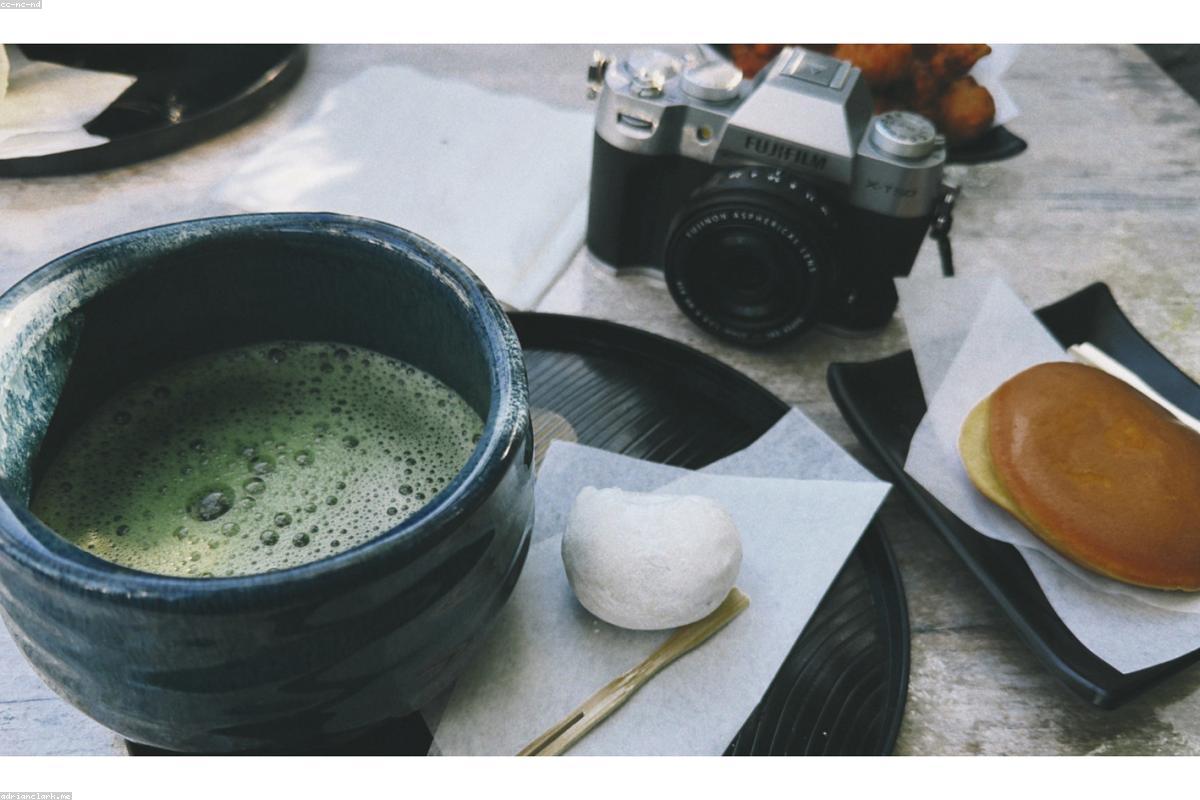
Variations: Mochi, a more common, stretchy rice cake often stuffed with ice cream in Western fusion restaurants, is technically a form of Wagashi, but it is considered a casual, daily snack rather than a formal, sculpted ceremonial offering.
More Internal Inspiration on Global Horizons
Fascinated by the textural properties of Japanese ingredients? Read our extensive piece on Japanese Dessert Trends: Mochi and Matcha Magic. If you are intrigued by the vegan nature of these traditional sweets, definitely explore our deep dive into A Decadent Vegan Chocolate Tasting Menu.
Conclusion
Wagashi is a culinary masterpiece demonstrating that dessert does not have to be an aggressive, sugar-laden assault on the palate. By utilizing natural, highly refined legume pastes and brilliant seasonal ingredients, Japanese artisans create a visually stunning Heavenly Delicacy that honors nature. It offers a profound, mindful approach to eating sweets that perfectly aligns with the holistic, balanced focus of a Fresh 2 Plate lifestyle. While crafting a perfect, sculpted Nerikiri requires years of dedicated apprenticeship—far removed from simple quick recipes—incorporating the philosophy of visual presentation and utilizing a simple red bean paste alongside your healthy meals bridges a beautiful cultural gap. Try a slice of Sakura Mochi next spring, pair it with an exceptionally bitter matcha tea, and appreciate the ancient, ongoing artistry of global dessert making.