A Primer on Caviar and Sweet Pairings
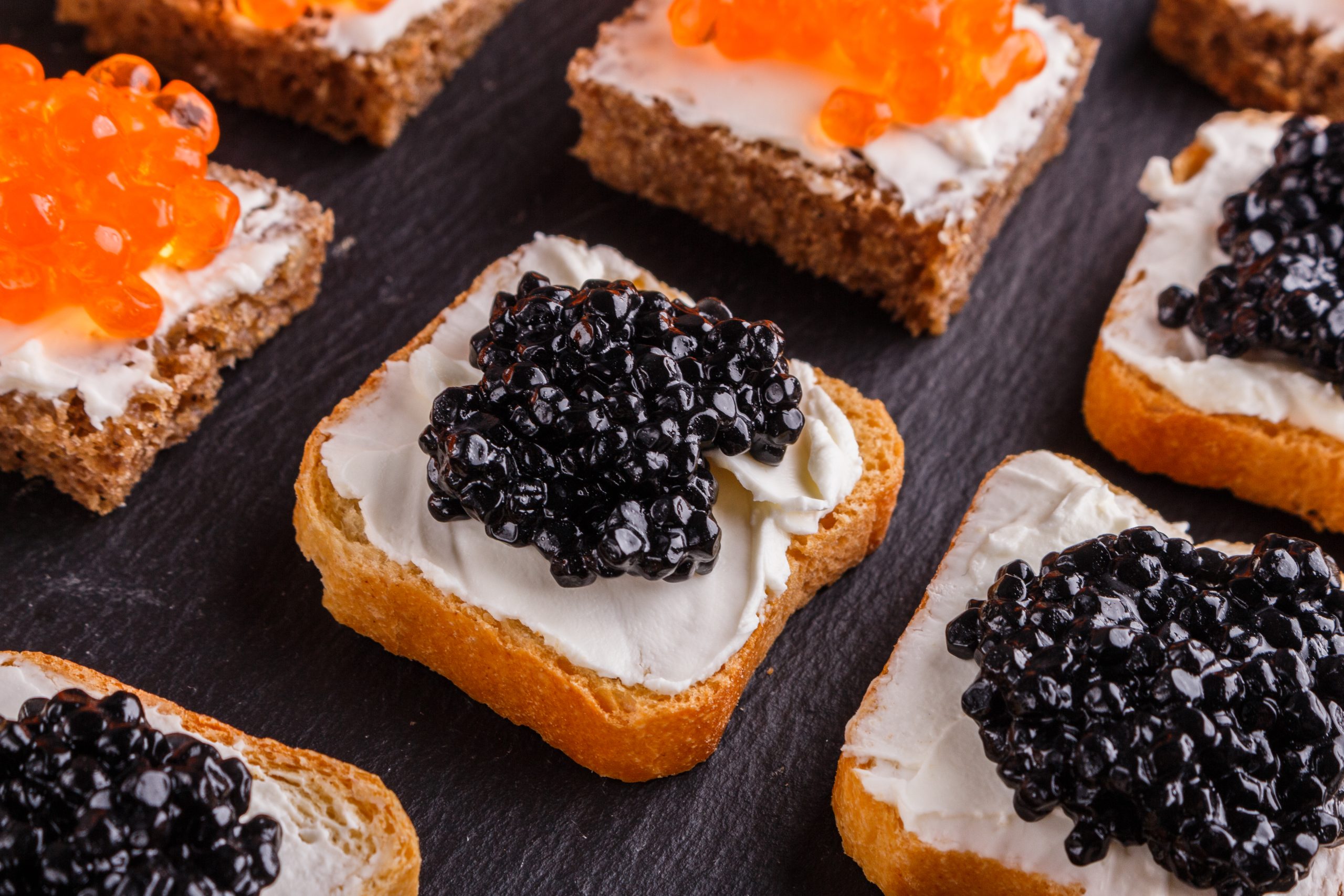
In the austere, hyper-refined echelons of Michelin-starred kitchens, standard boundaries concerning what constitutes a dessert are routinely obliterated. At Fresh 2 Plate, our exploration of Luxury Dining & Tasting frequently leads us to the most provocative, expensive, and intimidating seasonal ingredients available globally: Caviar. Traditionally strictly relegated to the savory appetizer course—perched delicately upon a buckwheat blini with crème fraîche—cured sturgeon roe is currently experiencing a profound renaissance on the pastry station. It serves as the ultimate, shocking savory counterpoint to a Heavenly Delicacy. While pairing fish roe with sugar may instinctively sound appalling, the precise execution of the “sweet and salty” dynamic generates a wildly sophisticated, complex flavor explosion entirely foreign to standard quick recipes. This approach aggressively challenges the palate, providing a monumental conclusion to an evening of highly curated healthy meals. Let’s aggressively unpack the chemistry, the required quality, and the precise, avant-garde pairings that elevate caviar directly into the dessert realm.
1. The Chemistry: Why the Contrast Works
Pairing caviar with a sweet element is not an arbitrary attempt at shock value; it is profoundly deeply rooted in the biomechanics of taste.
- The Salt and Sugar Dynamic: Human taste receptors recognize salt specifically as a flavor enhancer. When you introduce a powerful, saline burst (like caviar) simultaneously with a subdued sugar element, the salt fiercely amplifies our perception of the sweetness while simultaneously cutting through the cloying, heavy weight of the sugar. It makes the dessert taste significantly “brighter.”
- The Umami “Pop”: High-end caviar does not taste inherently “fishy”; it provides a luxurious, nutty, buttery burst of umami (the savory fifth taste). This umami profile pairs magnificently with fats, such as dairy or high-quality chocolate, adding incredible, earthy depth.
- The Textural Contrast: The delicate, taut membrane of the roe “popping” violently against the roof of the mouth provides a startling, highly desirable textural break specifically against the smooth creaminess of a ganache or a fine custard.
Pro Tip: Never utilize cheap, heavily dyed lumpfish roe or massive salmon roe for these delicate dessert applications; their massive size and aggressive, oily fish flavor will violently destroy the dish. You must rely on the nuanced, buttery profile of fine Ossetra or Kaluga hybrid caviar.
Nutritional Note: Caviar is exceptionally dense in crucial Omega-3 fatty acids, Vitamin B12, and pure protein. While utilized strictly in microscopic quantities, it provides a profoundly dense nutritional gourmet dessert punch to finalize your execution of healthy meals.
2. The White Chocolate and Caviar Progression
The most famous, successful bridge between the savory sea and the sweet pastry kitchen heavily involves high-quality white chocolate.
- The Fat Match: White chocolate (when crafted exclusively from pure cocoa butter rather than cheap vegetable oils) possesses a phenomenally milky, dense, buttery fat profile that identically mirrors the fats inherent in sturgeon roe.
- The Execution: Construct a tiny, impossibly thin, savory wafer (like a rice cracker or a delicate tuile). Pipe a single, distinct rosette of whipped, slightly salted white chocolate ganache onto the cracker. Using a mother-of-pearl spoon (never metal, which violently corrupts the flavor of the roe), carefully perch a beautiful, glistening mound of caviar directly atop the white chocolate.
- The Finish: The bite begins with the sharp, oceanic snap of the caviar, effortlessly melting immediately into the profound, sweet creaminess of the white chocolate, finishing with the structural crunch of the wafer.
Troubleshooting: Temperature is paramount. If the white chocolate ganache is extremely cold, it will fiercely numb the palate and violently obscure the delicate, complex nutty notes of the room-temperature caviar.
3. The Avant-Garde Sorbet
For an intensely refreshing, highly acidic approach, modern pastry chefs pair caviar aggressively with citrus sorbets.
- The Citrus Synergy: The bright, sharp acidity of a Meyer lemon or a Yuzu sorbet fiercely cuts through the heavy fat profile of the caviar without completely destroying its delicate, buttery nature.
- The Presentation: A tiny, elegant quenelle of the intensely sharp, low-sugar sorbet is plated immediately adjacent to a pristine spoonful of caviar, frequently garnished with a microscopic drop of high-end olive oil. The diner is required to consume both elements simultaneously, forcing a massive, temperature and flavor collision on the tongue.
More Internal Inspiration on Luxury and Contrast
Intrigued by the science of the white chocolate ganache? Study our breakdown within Mastering the Perfect Chocolate Ganache. Looking deeply into other ways to integrate savory elements into the dessert course? Read our massive guide on The Rise of Savory Desserts.
Conclusion
Incorporating caviar into the final course is a highly provocative, monumental culinary flex that demands extreme precision and deep pockets. By understanding the dynamic interplay of umami fat and restrained sweetness, a chef orchestrates a startling, unforgettable Heavenly Delicacy. It forces the diner to profoundly rethink the absolute boundaries separating healthy meals from a gourmet dessert. While undeniably far removed from standard, economical quick recipes, the principles behind the “sweet and salty” pairing apply universally across the kitchen. The next time an epic occasion arises, ignore the massive chocolate cake; embrace the Fresh 2 Plate ethos of high-end experimentation, secure a tin of brilliant Ossetra, and execute a white chocolate pairing that will leave your guests speechless!