Upcycling Your Coffee Grounds in the Bakery
Every single morning, across homes and vast commercial kitchens globally, millions of pounds of wet, heavy, spent espresso pucks and filter grounds are indiscriminately scraped into the trash bin. At Fresh 2 Plate, optimizing waste drastically contradicts our fierce commitment to Sustainable & Ethical Baking. While composting those grounds is undeniably a valid ecological solution, it frequently bypasses the incredible, robust culinary potential still locked within the bean. Discarded coffee grounds represent an entirely free, deeply flavorful seasonal ingredient sitting right on your counter. Rather than allowing this complex aromatic resource to rot in a landfill, you can effortlessly redirect it into your mixing bowl, generating a bold, earthy Heavenly Delicacy. It fundamentally upgrades a routine of basic quick recipes into an exercise of sustainable innovation, perfectly complementing an eco-conscious execution of your healthy meals. Let’s systematically review the sterilization, infusion, and direct application methods for upcycling your morning caffeine habit into massive, zero-waste flavor.
1. The Hydration and Sterilization Phase
You cannot simply dump wet, hot espresso grounds from a portafilter directly into a bowl of delicate cake batter. Spent grounds demand immediate maintenance.
- The Moisture Problem: Post-brew coffee grounds are heavily saturated with water. If you introduce them directly into a cookie dough, they will aggressively release that water during the bake, turning your crisp cookie into a steaming, soggy puddle.
- The Bacteria Risk: Wet grounds sitting at room temperature in a dark knock-box are a prime breeding ground for radical mold growth within hours. You must process them rapidly.
- The Baking Protocol: Spread the damp, spent grounds in a remarkably thin, even layer across a large, parchment-lined baking sheet. Place the sheet into a low-temperature oven (200°F / 93°C) for roughly 60 to 90 minutes. This slowly and aggressively dehydrates the grounds entirely, sterilizing them and returning them to a dry, fragrant, completely stable, powder-like state.
Pro Tip: Store these thoroughly dehydrated ‘spent’ grounds in an airtight glass jar meticulously in the pantry. They will remain completely viable and safe for baking applications indefinitely.
Nutritional Note: Even after the immense extraction of the brewing process, coffee grounds remain incredibly dense in antioxidants and insoluble dietary fiber. Incorporating them heavily into your baking regime provides a brilliant, functional boost entirely aligned with a holistic profile of healthy meals.
2. The Deep Infusion: Extracting the Residual Oils
While the highly volatile, bright acidic notes were extracted into your morning cup, the dark, profound, chocolaty oils remain heavily trapped within the spent grounds.
- The Fat Transfer: Coffee oils are entirely fat-soluble. To extract maximum flavor from spent grounds without the gritty texture, you must execute a heavy fat infusion.
- The Butter Process: Gently melt two sticks of high-quality European butter in a small saucepan. Aggressively whisk in a half-cup of dried, spent coffee grounds. Allow this dark, muddy mixture to simmer remarkably gently on low heat for ten minutes.
- The Sieve: Carefully pour the intensely hot, infused butter through a fine-mesh sieve lined heavily with cheesecloth, forcefully pressing the liquid through to trap the grounds.
- The Result: You have created a stunning, deep-amber ‘coffee butter.’ Substitute this 1:1 for standard butter in any gourmet dessert—like a dense, fudgy brownie or a classic pound cake—for an astronomically complex, roasted depth of flavor that instant espresso powder cannot physically mimic.
Troubleshooting: Do not allow the infused butter to boil violently; high heat will scorch the microscopic milk solids in the butter and aggressively burn the delicate coffee oils, resulting in a horrifically acrid, bitter finish.
3. Direct Textural Application
If you genuinely appreciate a distinct crunch and an earthy, rustic texture, directly utilize the dehydrated grounds within the batter.
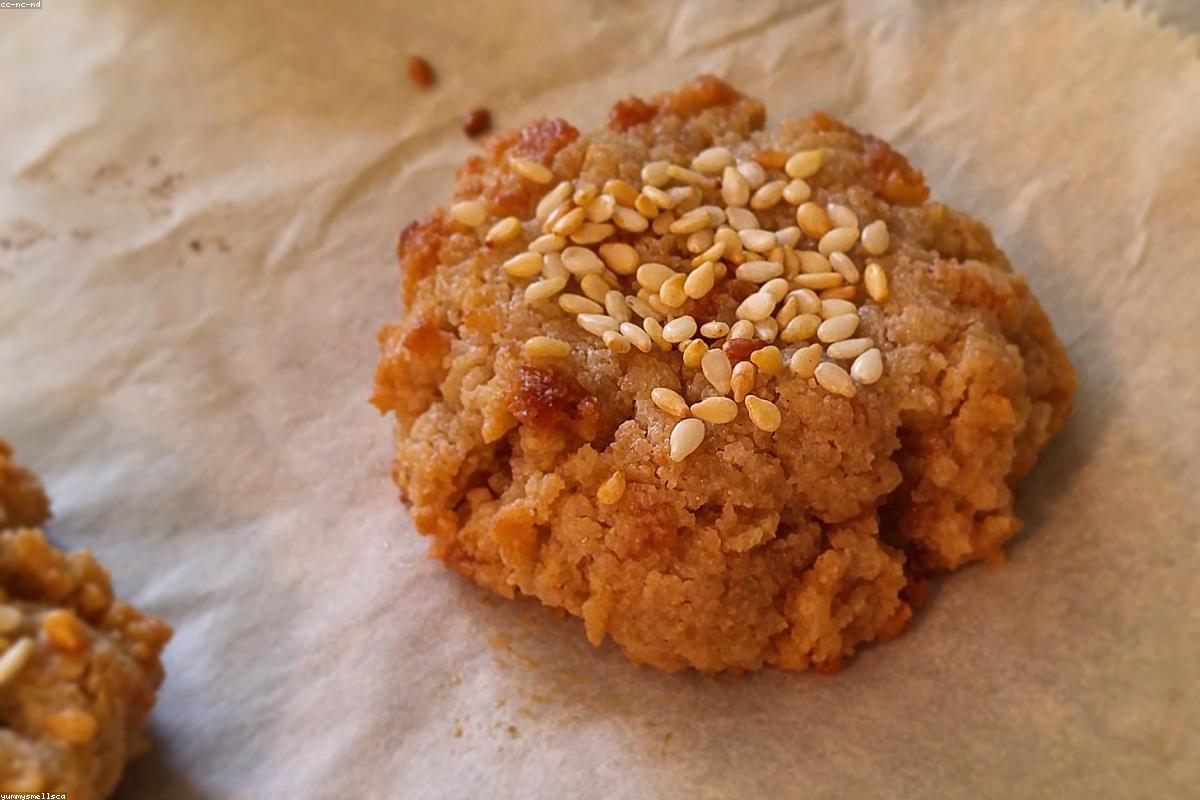
- The Espresso Shortbread: The supreme application for direct texture is a stiff, buttery shortbread cookie. Vigorously fold two generous tablespoons of the dehydrated grounds thoroughly into the shortbread dough right before chilling. The bake solidifies the grounds into microscopic, crunchy, roasted jewels throughout the cookie.
- The Exfoliant Sugar Rub: Move far beyond the oven! Combine massive handfuls of the dehydrated grounds vigorously with organic coconut oil, coarse brown sugar, and heavy vanilla extract. This formulates an incredibly luxurious, invigorating bodily scrub, perfectly upcycling the “waste” into a brilliant, high-end, zero-cost cosmetic product.
More Internal Inspiration on Responsible Practices
Are you looking to creatively reuse other kitchen scraps? Read our brilliant techniques for Creative Ways to Use Leftover Cake Scraps. If you need robust guidance on ensuring the initial beans were sourced ethically, explore our deep dive into Sourcing Ingredients Responsibly for Heavenly Taste.
Conclusion
Redirecting your morning coffee grounds drastically away from the trash bin is a masterclass in profound culinary efficiency. By diligently dehydrating the spent pucks and executing rich, fat-based infusions, a home baker dramatically extends the lifecycle of a premium, imported seasonal ingredient. This Sustainable & Ethical Baking practice validates the Fresh 2 Plate ethos that “waste” is merely an ingredient demanding innovation. Producing a deeply roasty, infused brownie constitutes a massive, sophisticated Heavenly Delicacy that validates your dedication to eco-conscious healthy meals and sustainable quick recipes. Save those espresso pucks tomorrow morning, dry them out in the oven, and execute an incredible, zero-waste coffee butter!